

Understanding gambling addiction A path to recovery and support
Understanding gambling addiction A path to recovery and support
Defining Gambling Addiction
Gambling addiction, often referred to as compulsive gambling or pathological gambling, is characterized by an uncontrollable urge to gamble despite the negative consequences it may bring. Individuals with this addiction often experience a continuous cycle of chasing losses and seeking the thrill of winning. The American Psychiatric Association recognizes this behavior as a mental health disorder, underlining the need for a comprehensive understanding of its symptoms and impacts on life. This addiction can manifest through various forms of gambling, including casinos, online gaming, and sports betting. The allure of platforms like Wildzy casino often complicates the issue further.

Many individuals who struggle with gambling addiction often find themselves prioritizing gambling over relationships, work, and personal health. The need for increased financial stakes can lead to severe debt, legal issues, and even family breakdowns. As the addiction progresses, it becomes increasingly difficult for the individual to break free from its grasp, leading to a downward spiral that may encompass various aspects of their lives. Understanding this addiction is crucial for both the individual and their loved ones, as awareness can pave the way for recovery.
Additionally, it’s essential to recognize that gambling addiction does not discriminate; it can affect anyone regardless of age, gender, or background. Research has shown that certain factors, such as a family history of addiction, mental health issues, or social pressures, can increase the likelihood of developing a gambling addiction. The stigma surrounding gambling addiction often leads to feelings of shame and isolation, making it even more challenging for individuals to seek help.
Common Myths About Gambling Addiction
Several myths surrounding gambling addiction can hinder understanding and awareness. One of the most prevalent misconceptions is that gambling addiction only affects a minority of people. In reality, studies indicate that millions worldwide struggle with this issue, highlighting the need for widespread education and awareness. Another common myth is that individuals with gambling problems can simply stop if they want to. In truth, gambling addiction is a complex condition that often requires professional intervention and support for recovery.
Another myth suggests that only those who gamble large sums of money can develop an addiction. However, gambling addiction can occur even with low-stakes games or online platforms where betting amounts are minimal. This misconception often leads to underestimating the severity of the problem among casual gamblers who may not view their behavior as risky. It’s crucial to debunk these myths to encourage those affected to seek help without fear of judgment.
Moreover, many people believe that gambling addiction is merely a financial problem. While financial loss is a significant consequence, the emotional and psychological toll is profound as well. Individuals may experience anxiety, depression, and a sense of hopelessness, making it imperative to address the emotional aspects of recovery, not just the financial. Educating oneself about these myths is the first step toward fostering a supportive environment for those in need of help.
Recognizing the Signs of Gambling Addiction
Recognizing the signs of gambling addiction is essential for timely intervention. Symptoms may vary from person to person, but common indicators include preoccupation with gambling, the need to gamble with increasing amounts of money to achieve the desired thrill, and unsuccessful efforts to control or cut back on gambling. Individuals may also experience irritability or restlessness when trying to reduce their gambling behavior. Acknowledging these signs early can make a significant difference in the recovery journey.
Another critical sign of gambling addiction is the tendency to lie about gambling habits or conceal the extent of gambling from friends and family. This behavior often stems from guilt or shame surrounding the addiction and can lead to further isolation. Additionally, individuals may resort to borrowing money or engaging in illegal activities to fund their gambling habits, putting their relationships and personal integrity at risk.
Emotional distress is also a hallmark of gambling addiction. Many individuals report feelings of anxiety, depression, and hopelessness, which can further perpetuate the cycle of addiction. Recognizing these emotional symptoms is vital, as they highlight the need for a holistic approach to recovery that addresses both the addiction and its emotional toll. Understanding the signs can empower individuals and their loved ones to take action and seek appropriate support.
Pathways to Recovery
Recovery from gambling addiction is a multifaceted journey that often requires a combination of professional help, self-help strategies, and support from family and friends. One of the most effective approaches is seeking therapy from a licensed mental health professional who specializes in addiction. Cognitive-behavioral therapy (CBT) is particularly beneficial as it helps individuals identify and modify harmful thought patterns associated with gambling behavior. Group therapy and support groups, such as Gamblers Anonymous, also provide a safe environment to share experiences and gain insight from others who have faced similar challenges.
In addition to professional treatment, creating a strong support system is crucial for lasting recovery. Family members and close friends can play an essential role in providing encouragement and understanding. Open communication can help alleviate feelings of isolation, allowing the individual to feel supported throughout their recovery process. Setting boundaries and ensuring a gambling-free environment can also be a critical step in maintaining sobriety.
Lastly, self-help strategies can empower individuals to take control of their recovery. This may include developing healthier coping mechanisms, engaging in new hobbies, or focusing on personal interests that distract from gambling urges. It’s important for individuals in recovery to celebrate small victories and remain patient with themselves, as recovery is often a long and challenging journey. Building resilience and commitment to change is crucial for sustaining a gambling-free life.
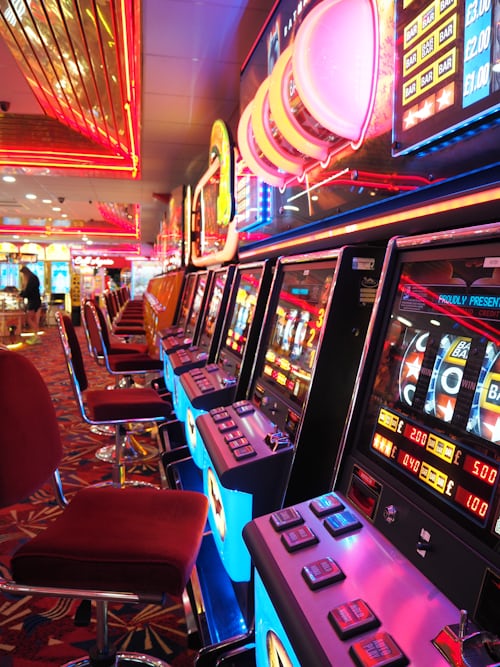
Wildzy Casino: A Supportive Environment for Gamblers
Wildzy Casino, an online gaming platform, prioritizes player experience and responsible gaming. With a vast selection of certified games from reputable providers, it caters to a wide audience while fostering a safe gaming environment. By promoting responsible gaming practices, Wildzy ensures that players are aware of the potential risks associated with gambling, encouraging them to stay informed and make responsible choices.
The platform also emphasizes the importance of support for individuals facing gambling addiction. Wildzy Casino provides resources and information about responsible gaming, including tips for recognizing potential gambling problems and where to seek help. By aligning their operations with a commitment to player well-being, Wildzy aims to create a healthier gaming atmosphere for everyone.
In conclusion, while the thrill of gambling can be enticing, it’s essential to recognize the potential dangers of addiction. Understanding gambling addiction and seeking help can pave the way for recovery and a brighter future. Platforms like Wildzy Casino are taking steps to promote responsible gaming and provide support to those who need it, contributing to a more informed and supportive gaming community.